
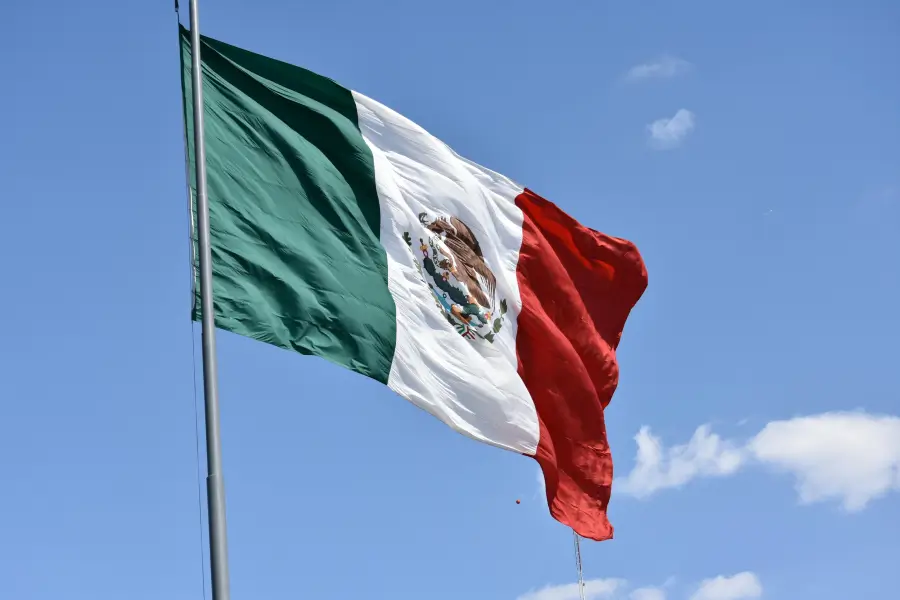
Why should you learn Mexican Spanish? It’s one of the most widely spoken variants of Spanish in the world, with over 130 million speakers. Whether you’re planning to travel through Mexico, connect with Mexican culture, or simply prefer the sound and rhythm of this particular dialect, if you learn Mexican Spanish, you will open doors to rich cultural experiences and meaningful connections.
Table of Contents
Should You Learn Mexican Spanish Specifically?

Before diving into the specifics of Mexican Spanish, here’s an important truth: the differences between Spanish dialects are far smaller than the similarities. The core grammar, most vocabulary, and fundamental structure remain consistent across all Spanish-speaking regions.
Native Spanish speakers from different countries communicate with each other effortlessly every day. A Mexican can understand a Spaniard, an Argentine, and a Colombian without much difficulty. Regional vocabulary differences exist, but they’re equivalent to how Americans say “elevator” while Britons say “lift.” They’re minor variations that don’t impede communication.
If you’re drawn to learn Mexican Spanish because of travel plans, cultural interest, or simply personal preference, that’s excellent motivation to use Mexican-focused resources. However, don’t let choosing the “perfect” dialect prevent you from starting your Spanish learning journey today.
Any Spanish you learn, whether through resources focused on Mexican, Spanish, Colombian, or Puerto Rican, they build the same essential foundation. You’ll acquire the core verb conjugations, sentence structures, and high-frequency vocabulary that work everywhere Spanish is spoken. Regional adjustments come naturally with exposure and are far easier to make once you have a solid base.
That said, if you’re committed to learn Mexican Spanish or simply curious about what makes it distinctive, understanding its unique characteristics can enhance your learning experience and cultural connection.
What Makes Mexican Spanish Unique?
Understanding the distinctive features of Mexican Spanish helps you tune your ear to its particular patterns and prepare for the nuances you’ll encounter.
Pronunciation Characteristics
Mexican Spanish is often considered one of the clearer Spanish dialects for learners. Unlike some Caribbean or Southern Spanish variants that drop consonants or soften certain sounds, Mexican Spanish tends to pronounce words more fully and distinctly.
- The “s” sound remains crisp at the end of syllables and words, making it easier to distinguish word boundaries when listening.
- The “ll” and “y” sounds are typically pronounced as a soft “y” rather than the “sh” sound you might hear in Argentina or the “j” sound in some parts of Spain. This consistency makes Mexican Spanish particularly accessible for English speakers starting their language journey.
- Mexican Spanish speakers generally don’t use the “th” sound (known as the ceceo) to pronounce the “c” and “z“ that you’ll hear in Spain. Instead, these letters sound like “s,” which simplifies pronunciation rules and reduces the cognitive load when you’re learning.
Visit Forvo to listen to the differences between the pronunciation of Spanish words in various dialects.
Vocabulary and Word Choices
Mexican Spanish has absorbed numerous words from indigenous languages, particularly from the Nahuatl language of the Aztecs. Words like “aguacate” (avocado), “chocolate,” “tomate” (tomato), and “coyote” have Nahuatl origins and are now standard across all Spanish variants. However, if you learn Mexican Spanish, you’ll notice it retains many more indigenous-influenced terms in everyday use.
You’ll encounter distinctive vocabulary for common items. For example:
- A computer is “una computadora” rather than “un ordenador” (Spain).
- A car is “un carro” instead of “un coche” (Spain) or “un auto” (Argentina).
- A jacket is “una chamarra” rather than “una chaqueta.”

These regional preferences extend to verbs as well. Mexicans often use “platicar” (to chat) where other Spanish speakers might use “charlar” or “hablar.”
Diminutives are particularly prevalent in Mexican Spanish, adding “-ito” or “-ita” to words as a term of endearment or to soften requests. You’ll hear “ahorita” (right now, but often meaning “in a little while”), “cafecito” (a little coffee), or “momentito” (just a moment) constantly in conversation.
Grammar and Formality Patterns
While you learn Mexican Spanish, you’ll notice it maintains relatively formal address customs compared to some other Latin American countries. The use of “usted” (formal you) is common and shows respect, particularly when speaking with strangers, elders, or in professional settings. This formality extends to service interactions; you’ll typically use “usted” with servers, store clerks, and drivers.
If you learn Mexican Spanish you’ll quickly notice it doesn’t use “vosotros” (the informal plural “you” used in Spain). Instead, “ustedes” serves for both formal and informal plural situations, which actually simplifies conjugation since you have one less verb form to learn.
The present perfect tense sees less use in Mexican Spanish compared to Spain. Where a Spaniard might say “he comido” (I have eaten), a Mexican Spanish-speaker would more likely say “comí” (I ate), using the preterite (simple past) tense instead. This preference makes the grammar slightly more straightforward for learners who learn Mexican Spanish.
Resources to Help Learn Mexican Spanish
Immersing yourself in authentic Mexican content accelerates your learning and helps you internalize the natural rhythm and vocabulary of the dialect.
Apps and Courses
Apps and online courses are a popular way to learn Mexican Spanish, offering flexibility and curated curriculum. You’ll often see they offer one of two simplified Spanish dialects: “European Spanish” (a culmination of Spanish spoken in the regions of Spain), and “Latin American Spanish” (often referring to common Spanish spoken in large parts of Mexico)
If Mexican Spanish is your priority, look for platforms that either specialize in “Latin American Spanish” or allow you to select Mexican Spanish specifically. This ensures the vocabulary, pronunciation models, and cultural context align with what you’ll encounter in Mexico.
Palteca offers exposure to various Spanish dialects, including Mexican Spanish, allowing you to build a strong foundation while tuning your ear to the specific sounds and vocabulary you’ll need. Having dialect flexibility in your learning platform means you can adapt your focus as your goals evolve without starting over with a new system.
Media and Entertainment
Mexican television and film provide excellent learning material. Telenovelas, while dramatic, feature clear pronunciation and everyday vocabulary. Shows like “La Casa de las Flores” or “Club de Cuervos” on Netflix offer contemporary Mexican Spanish with subtitles in both Spanish and English.
Mexican music spans numerous genres beyond mariachi. Explore regional Mexican, banda, norteño, or contemporary pop artists like Natalia Lafourcade, Café Tacvba, or Mon Laferte. The clear enunciation in many Mexican songs makes them particularly useful for learners.
YouTube offers abundant Mexican content creators covering everything from cooking to technology. Channels focusing on topics you already understand in English allow you to learn Spanish while engaging with familiar subject matter, making comprehension easier.
Podcasts and Audio Content
Podcasts provide portable, flexible learning opportunities. Look for Mexican podcasts about topics that interest you, like technology, history, culture, or current events. Starting with podcasts designed for learners, then gradually transitioning to native content as your comprehension improves, builds listening skills effectively.
Radio stations, like Radio.Garden, stream online from Mexican cities giving you access to natural, spontaneous speech. News radio offers formal, clear Spanish, while talk radio and morning shows provide more colloquial conversation patterns.
Language Exchange and Conversation Practice
Connecting with native Mexican Spanish speakers through language exchange apps like HelloTalk and Tandem, creates opportunities for real conversation practice. Many Mexicans are eager to practice English while helping others learn Mexican Spanish, creating mutually beneficial exchanges.
Online tutoring platforms like Preply, allow you to work specifically with Mexican tutors who can guide your pronunciation, explain cultural context, and correct errors in real-time. Even short 30-minute sessions twice weekly significantly accelerate progress giving you a chance to flex your conversational skill and gain real-time feedback.
Reading Materials
Mexican newspapers and online publications like “El Universal,” “Reforma,” or “Proceso” offer formal written Spanish. Start with articles about topics you already know to reduce cognitive load. If you follow technology news in English, reading similar content in Spanish leverages your existing knowledge.
You can also learn Mexican Spanish with literature that provides cultural insight alongside language learning. Authors like Laura Esquivel, Juan Rulfo, or Octavio Paz offer different styles and complexity levels. Starting with shorter works or young adult fiction builds confidence before tackling more complex literary texts.
Ready to Learn Mexican Spanish Today?

Learn Mexican Spanish to connect yourself to one of the world’s most vibrant cultures while opening doors throughout Latin America and beyond. Whether you’re motivated by upcoming travel, professional opportunities, or personal enrichment, the resources available today make learning more accessible than ever.
But remember, choosing a dialect isn’t as important as just learning Spanish. You’ll gain a strong foundation that will allow you to communicate with Spanish speakers all around the world. Focus on consistent daily practice, immerse yourself in Spanish content, and prioritize speaking from the beginning. The path to fluency doesn’t require perfection, it requires persistence.
Ready to begin? Palteca offers structured Spanish learning that helps you build a strong foundation efficiently, with resources that expose you to various Spanish dialects including Mexican Spanish. The best time to start was yesterday. The second best time is now.
Your Spanish-speaking future awaits. Take the first step today.